Struggling with Stroke Home Care? From Rehabilitation Exercises to Fall Prevention Modifications, Professional Nurses Teach You Practical Tips
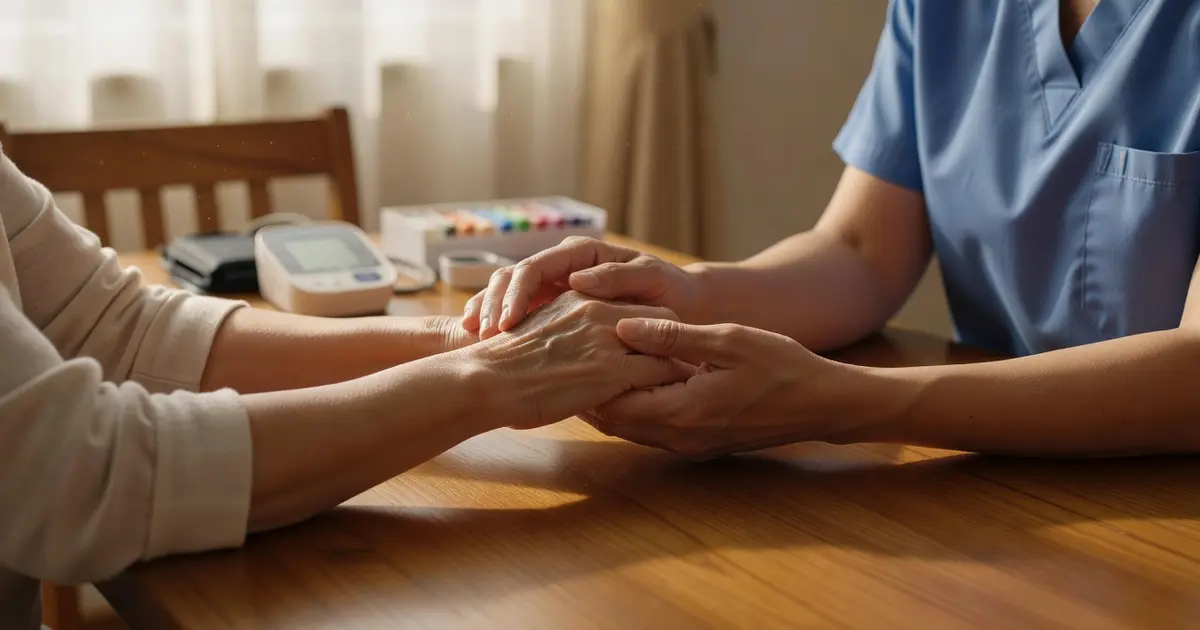
When a family member is suddenly discharged home after a stroke, the immense pressure of worry and uncertainty often leaves caregivers breathless. Faced with a loved one who has weak limbs and slurred speech, your biggest worry may be: how to lift and transfer them without injuring them or yourself? How to do simple exercises at home correctly? You need to know that improper "stroke home care" methods will not only slow down the patient's recovery progress, but may also cause long-term strain injuries for the caregiver. In our daily home visits at "Social Care Alliance SEs", we have found that many families can make the entire care journey much easier and safer as long as they master a few core skills. Below, we'll take you from basics to advanced, teaching you several ready-to-use home care essentials.
🩺 Stroke Rehabilitation Exercise Instruction: Step by Step, Restarting Bodily Functions
Many family members, fearing that the patient will fall or get too tired, inadvertently restrict them to bed or a wheelchair for long periods. This actually worsens muscle atrophy and joint stiffness. The golden rule of "stroke rehabilitation exercises" is "passive first, then active". When the patient's affected side still hasn't regained strength, the caregiver can assist with passive joint movements.
Specific steps: Have the patient lie flat. The caregiver fixes one hand above the patient's knee and holds the ankle with the other hand, slowly opening and closing the entire leg, repeating 10-15 times. For the hand, gently hold the patient's palm, straighten it forward, slowly raise it above the head, then slowly lower it. When doing these "stroke rehabilitation exercises", always remember: movements must be slow, never use force or pull, pause when you feel resistance, and continue when the muscles relax. When the patient starts to regain a little strength, you can switch to "bridge exercises"—ask the patient to lie flat with knees bent, lift the buttocks forcefully off the bed, which is very important for training core muscles and getting up independently later. Combined with a high-protein, high-vitamin diet (such as soft meals made from fish, eggs, dark green vegetables), it can provide sufficient fuel for muscle rebuilding. Of course, every patient's stroke location and severity are different. If the patient shows a pained expression or abnormal joint sounds during exercise, you must stop immediately.
🛏️ Correct Lifting and Turning Techniques: Protecting Everyone's Spine
This is the area where most caregivers ask for help. Wrong "stroke home care" lifting methods are the leading cause of "caregiver back injuries", which can bring the whole family down at any time. Professional care emphasizes "ergonomics"—using lever principles instead of brute force. For example, when helping a patient turn in bed, never push directly from the shoulder or hip.
Correct technique: First, have the patient cross their distant hand on their chest, and place their near foot on the distant foot. The caregiver places one hand behind the patient's distant shoulder and the other on the distant hip, stands firmly with one foot in front of the other, shifts weight backward, and gently pulls the patient toward themselves using body weight to complete the turn. If transferring from bed to wheelchair, the wheelchair must be at a 45-degree angle tightly against the bed with brakes locked. First help the patient sit up at the edge of the bed, feet on the ground, wearing non-slip shoes. You slightly bend both knees and press against the patient's knees to prevent slipping, wrap both hands around the patient's lower back, and use your body weight to shift backward to lift them up. During our home care instruction at "Social Care Alliance", our instructors will personally demonstrate these movements and adjust family members' postures in real time, because it's difficult to fully grasp force and angle just by reading. If you're new to this, better slow than fast. You can use assistive tools like "transfer boards" or "transfer belts" if needed—these are all to help you go further on the care journey.
🏠 Fall Prevention Home Modifications: Details Determine Safety
Stroke patients, due to poor balance and some home hazards, often fall again soon after discharge. Carrying out "home care"-level environmental modifications doesn't always require major construction—small changes can make a big difference.
Immediate modification list: 1. Remove all thresholds and obstacles in passageways, ensuring enough turning space for wheelchairs or walking frames. 2. Install handrails beside the bed, toilet, and shower area—these are the places where patients need to exert force to stand up. 3. Lay anti-slip mats on bathroom floors and place a stable shower chair so patients can bathe sitting down, avoiding standing in slippery environments. 4. Night lighting must be sufficient—install motion-sensing night lights beside the bed to prevent patients from groping in the dark to go to the toilet. 5. Check floor carpets—they must be removed or fixed with strong double-sided tape, as patients are most afraid of tripping. These "fall prevention home modifications" may seem minor, but they are the cornerstone of ensuring patients can safely carry out daily self-care.
❓ Home Care Common Questions (FAQ)
Q: Can stroke patients bathe by themselves?
A: It depends on the patient's balance and doctor's assessment. Initially, it's recommended to bathe sitting on a shower chair, and the water temperature shouldn't be too high. There must be a family member nearby—never lock the bathroom door.
Q: The patient's affected hand is very swollen, what should I do?
A: This may be shoulder-hand syndrome. When resting, elevate the affected hand with pillows, fingers higher than the wrist, wrist higher than the elbow. Gently massaging towards the heart direction helps reduce swelling, but avoid pulling the joint excessively.
Q: What should stroke patients pay attention to in their diet?
A: The focus is on preventing dysphagia and choking. Foods should be soft, moist, and easy to form into a ball, such as steamed egg custard, fish paste, thick congee. If drinking water easily causes choking, you can add thickening powder to thicken it.
Summary: Home care is a long-term battle, and the caregiver's physical and mental health is equally important. When you find yourself struggling to help your loved one do rehabilitation exercises, or worrying that your lifting posture is wrong, seeking professional home visits is actually the most responsible choice for both the patient and yourself.
💙 Need professional care guidance? Instead of groping your way and getting injured, let us help you. The Social Care Alliance "Care Partners" program has retired nurses and physiotherapists making one-on-one home visits to teach family members the most correct care techniques in person.
Learn more: socialcareallianceses.com
If you have financial difficulties, you can learn about our charity fund support: secretincharity.org
#SocialCareAlliance #HomeCare #CaregiverSupport #StrokeCare #StrokeRehabilitationExercises #StrokeHomeCare #HomeNurse #FallPreventionModifications #HongKongSocialEnterprise